

-3.png)
Welcome to The Tasmanian Approach by The Project Lab. Sharing the latest instalment of our bite-sized reports on how Tasmania and Tasmanian businesses are responding to today’s most pressing issues.
In this edition, we explore a growing priority for our state: supporting an ageing workforce through improved digital capability.
For many years, Australia’s workforce has been steadily ageing. Since 1980, Australia’s median working age has increased from 29 years old to 39 years old. In 2024, 70% of Australia’s workforce was over the age of 55.
Tasmania has been at the forefront of this shift. Our demographic profile presents challenges for employers – especially around productivity, participation, and workplace confidence – but it also creates a clear, actionable opportunity. With the oldest and fastest-ageingpopulation in the country, Tasmania’s current median workforce age of 43 is already four years older than the national average.
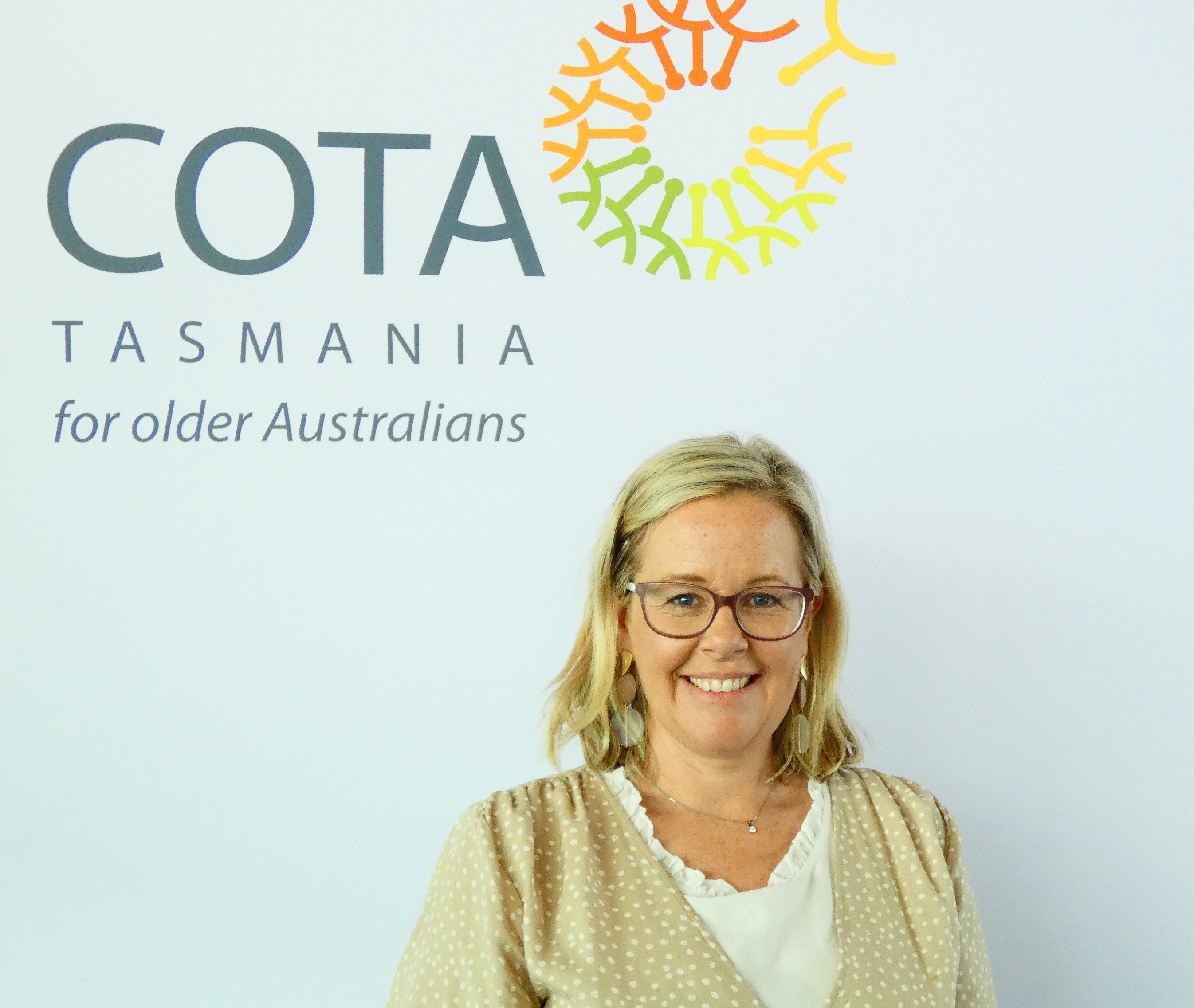
We spoke with CEO of COTA (Council for the Aging Tasmania), Brigid Wilkinson, about how ageism is being interpreted and addressed within the state. She points out that while we talk about living long lives, we rarely talk about what ageing well actually looks like – and that gap fuels many of the misconceptions employers still carry.
“Ageism is often the only form of discrimination against our future selves and many misconceptions about ageing come from a lack of positive, visible examples.” – Brigid Wilkinson, CEO of COTA Tasmania

An ageing population creates a wide range of challenges for communities and economies, including increased infrastructure strain and a wider spread of loneliness, but an ageing workforce puts unique pressure on business-owners and employers.
An ageing workforce is not a disadvantage; research consistently shows that older workers improve stability, culture, and business performance. The challenge lies in enabling participation.
Brigid highlights that the biggest barriers for older Tasmanians aren’t ability or willingness, but workplace flexibility and outdated assumptions about what older workers can do. She also notes that many older workers want to keep contributing but face structural barriers that employers are well-placed to change.
Research has consistently found that including older populations in workplaces is a practice that rewards stakeholders of all kinds – but workplaces don’t always have a clear pathway to follow.
The Australian government found in 2021 that a modest 3% increase in mature age workforce participation would result in a $33 billion increase in the country’s GDP – yet only 15% of people over 65 were currently active in the workforce.
Such statistics can paint a dire picture with a pessimistic outlook. But, they actually emphasise that Tasmanian employers have a clear pathway to supporting older workforces – a pathway with clear positive outcomes. Brigid often challenges the idea of “retirement” itself, arguing that many Tasmanians want to keep working but need workplaces to make that participation possible.
The Tasmanian Government’s A Respectful, Age-Friendly Island: Older Tasmanians Action Plan 2025–2029 reinforces this, outlining a framework for creating respectful, age-friendly communities and workplaces that support the wellbeing, potential, and ongoing contribution of older people.
This is where Tasmania’s disadvantage becomes an opportunity: because we start from a lower baseline, targeted support can create faster, more meaningful impact for businesses and employees.
The World Economic Forum identified digital literacy as one of the biggest barriers to workforce participation for older people. And, Tasmania currently has Australia’s lowest levels of digital literacy.
With one of the country’s oldest and most digitally disadvantaged populations, Tasmanian businesses can easily foster greater business resilience (and performance) by strategically investing in digital literacy initiatives. As Brigid points out, digital confidence is a training need like any other – not a reason to exclude someone from the workforce.
She also emphasises that many older Tasmanians are already highly capable with technology; the key is creating environments where learning is normalised rather than stigmatised.

COTA together with Good Things Foundation received government funding to develop an Intergenerational Digital Inclusion Program, whereby young people are trained to become digital mentors to provide one-on-one digital tech support to seniors. This is an example of how intergenerational mentoring is one of the most effective ways older Tasmanians build digital confidence, with benefits flowing to young people too.
Improving digital literacy isn’t only about skills. For workplaces, it’s about Digital Transformation – making systems simpler, safer, and more accessible – and Change Management, ensuring people feel supported, capable, and confident.
At The Project Lab, we’ve seen first-hand how building digital confidence drives business resilience. It’s a key part of the thinking behind our CyberRisk program: empowering teams to navigate technology and cybersecurity with clarity, confidence and shared responsibility.
In the end, more inclusive workplaces are always worth pursuing. Often, we find benefits we don’t even anticipate. A 2025 study from China, for example, found that continued employment consistently improved mental health and wellbeing for older people.
Tasmania’s demographic profile isn’t a barrier to growth – it’s an invitation to lead. Brigid encourages employers to treat age diversity the same way they treat gender or cultural diversity – something intentional, measured, and openly supported – along with the importance of late-career conversations, flexible pathways, and valuing the stability and judgement older workers bring. Embedding age-friendly practices into your D&I (diversity and inclusion) frameworks that address needs such as flexible working options, lifelong learning and intergenerational collaboration is a great start. If you’re keen to get involved with COTA through donating, volunteering or becoming a member, make sure you check them out.
If your organisation wants to build a more digitally capable, inclusive, and future-ready workforce of all ages, we can help.
The Project Lab specialises in:
Let’s make sure Tasmania’s ageing workforce becomes one of our greatest strengths. Talk to us about how to position your business or organisation to support and mature alongside your workforce today.
Enjoyed this? Subscribe to The Tasmanian Approach newsletter

-3.png)